
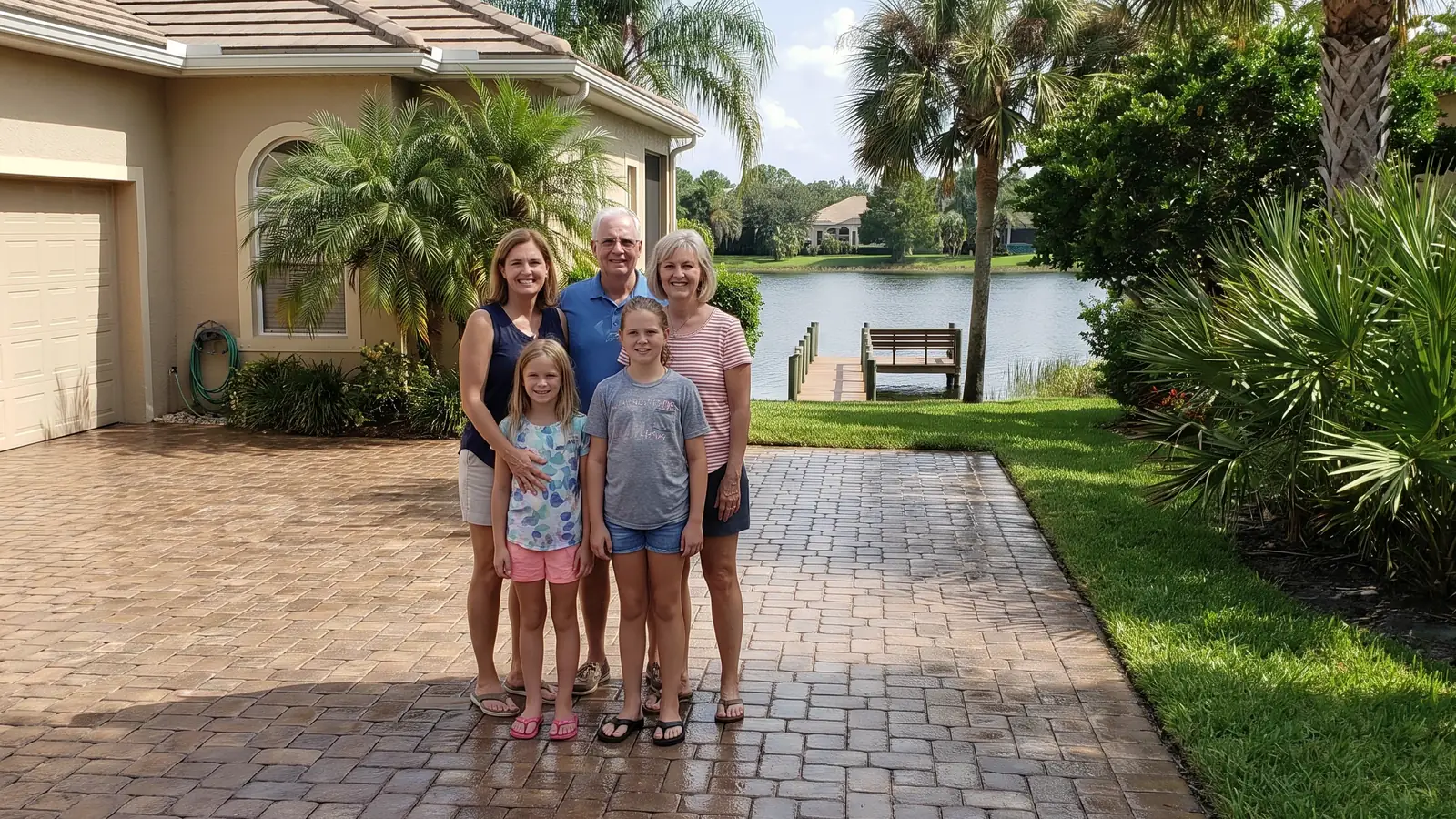
Paver sealing for Disston Heights homes
Paver Sealing in Disston Heights, FL
Disston Heights homes from the 1940s to the 1960s often have older pavers, so call (727) 591-3365 for a free look.
- Brings out deeper paver color
- Fresh joint sand helps lock pavers in place
- Gives weeds less room to grow
- Makes the surface easier to keep clean
- Free estimate, no obligation
Request a Free Estimate
Free, no obligation.
Fast, careful paver sealing in Disston Heights
Paver sealing in Disston Heights starts with a free visit from a local contractor, who looks over the drive, the front stoop and any back patio. Ask through request a free estimate and expect an answer within 1 business day, and often well before that.
Most houses here were built between 1940 and 1969, and the pavers beside them tell their own story: faded color, thin joints, a few weeds at the seams. A wash, fresh sand and a protective coat give that story a better ending. To go over it by phone before booking, call (727) 591-3365.
Why hire a local paver sealing contractor in Disston Heights?
Disston Heights is mostly mid-century houses, so many of its pavers were added later by owners who never wrote down what went on them. To find out what that means for your own yard and your own budget, request a free estimate.
A look at the history
Before quoting, a local contractor reads what is already on your pavers, since an earlier owner's coat decides what can go on next.
A yardstick for bids
Published Tampa Bay pricing runs $1.25 to $2.50 per square foot for a full clean, sand and seal. Compare any estimate to that.
Matte or shine
On a 1950s ranch, matte usually looks at home, and wet look gives richer color. The contractor can show you both.
Free, with room to say no
Nothing is booked until you agree, and a reply comes within 1 business day, usually much sooner.
Get Your Free Estimate in Disston Heights
Tell us about your pavers in Disston Heights.
Free, no obligation
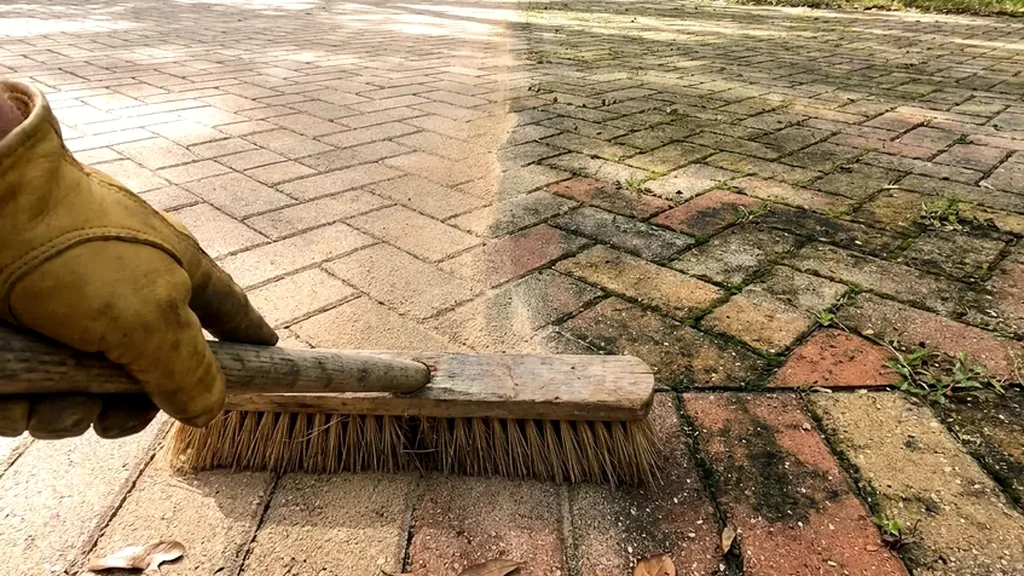
What paver problems show up most in Disston Heights?
Pavers added to a 1950s house
NeighborhoodScout says 92.2 percent of Disston Heights homes were built between 1940 and 1969. Pavers on a house that old were nearly always added later, sometimes in stages, and by owners who are long gone. That leaves unknown sealer, uneven repairs and settled spots. The contractor needs to read what is already on the surface before choosing what goes on. Many owners find that a quick, honest look at the surface saves the most money. Anything you remember about past work helps. Streets of mid-century houses often hold a patchwork of pavers laid in different decades, and each patch may carry its own product. The year the house was built is useful to share, since it hints at how many rounds of work a driveway has seen.
Leaves and tannin from tree-lined streets
Listings describe Disston Heights as tree-lined streets of mid-century homes. A Tampa Bay company says live oak leaves and acorns leave tannin stains that sink into pavers with thin or no sealer. Under the trees, pavers also stay damp longer and grow green film. Dark spots under a canopy are the first sign it is time. Sweeping the leaves off between visits helps, but only a sealed surface resists the stain. Leaves also pack into joints and keep them damp, which speeds green film. A broom helps, but only a clean, sealed surface sheds stains well. Pavers in leaf shade stay damp long after the sun clears the street.
A sprinkler that hits the same strip
St. Petersburg runs a large reclaimed water system, and many yards water from it. Whatever the source, a Tampa Bay company says irrigation heads aimed at one strip of driveway wear that strip years early. On older yards, heads shift over time. A strip of sealer that has thinned out sets the pace for the rest of the job. It is a small detail that makes a big difference in how long a coat lasts. The city says reclaimed water carries nitrogen and phosphorus that feed lawns, so lawn edges tend to stay lush and wet. Wet edges mean damp pavers right beside them. Anything that feeds the lawn may also feed algae at the edge, so a green border is a hint.
Joint sand that rain keeps moving
The wet season brings almost daily afternoon storms from late May through October. One Tampa Bay company says that constant wet speeds up joint sand loss. Open joints let weeds and ants in, and they let pavers wobble. Putting sand back before sealing is part of every sound job. Rain that drives sand toward the street leaves a thin line along the edge of the driveway. That thin line is where weeds start. On older lots, sand loss often starts at the apron where the drive meets the street, since runoff gathers there. That is a good place to look first. Open joints at the apron are simple to fix early and harder once pavers shift.
Sun and heat on open driveways
Disston Heights sits well inland, and the Tampa Bay climate notes say communities away from the coast swing through bigger temperature ranges. A bare, sunny driveway takes the full load. One Tampa Bay company says full-sun driveways often need attention near the 3-year mark. Color that looks flat in the afternoon is a good clue. Sealing before the color is gone keeps the work simple. A shaded walk on the same lot will often look fine while the drive has faded, which is a handy way to see what the sun has done. Comparing the drive with a covered porch slab shows how much the sun has taken.
Does my subdivision change the paver plan in Disston Heights?
A little, yes. A real estate site names Mount Washington, Norton and Casa Mia among the subdivisions here, and each has its own mix of lot sizes and driveways. A short answer about the age of your pavers helps more than a long one about the neighborhood. Tell the contractor your street when you request a free estimate, and ask what the walk-through will cover.
Most Disston Heights homes are single-family. In ZIP 33710, about 84 percent of units are single-family and about 15 percent are in multi-unit buildings, according to Census figures on zip-codes.com. The ZIP covers close to 8 square miles of land. If you share pavers with a neighbor or a small association, call (727) 591-3365 and say who owns the surface.
Shopping and schools sit close by. Disston Plaza and the Tyrone Square corridor are near, and Azalea Middle and Tyrone Middle serve the area. Those are handy landmarks when you describe where you live. Give the contractor your nearest cross streets when you request a free estimate, and the estimate is free.
What does paver sealing cost in Disston Heights?
Published Tampa Bay rates sit at $1.25 to $2.50 per square foot for the full job. Disston Heights quotes tend to move on three things: what is in the old coat, how low the joints sit and how much shade the pavers see. A wider drive plus a patio adds area. To get a figure for your yard, request a free estimate.
Repairs change the math. Sunken sections must be reset before any coat, and that adds time. A flat, sound drive sits low in the range, while a drive full of dips sits higher. Call (727) 591-3365 to hear where yours lands, since the visit is free.
| Paved area | Typical example | Clean, sand and seal |
|---|---|---|
| 300 sq ft | Small patio or walkway | $375 to $750 |
| 600 sq ft | Two car driveway | $750 to $1,500 |
| 1,000 sq ft | Large driveway or pool deck | $1,250 to $2,500 |
| 1,500 sq ft | Driveway plus pool deck | $1,875 to $3,750 |
Math based on the $1.25 to $2.50 per square foot that Tampa Bay paver companies publish. Your contractor sets the actual price after seeing the surface. Repairs, leveling and stripping failed sealer are usually extra.
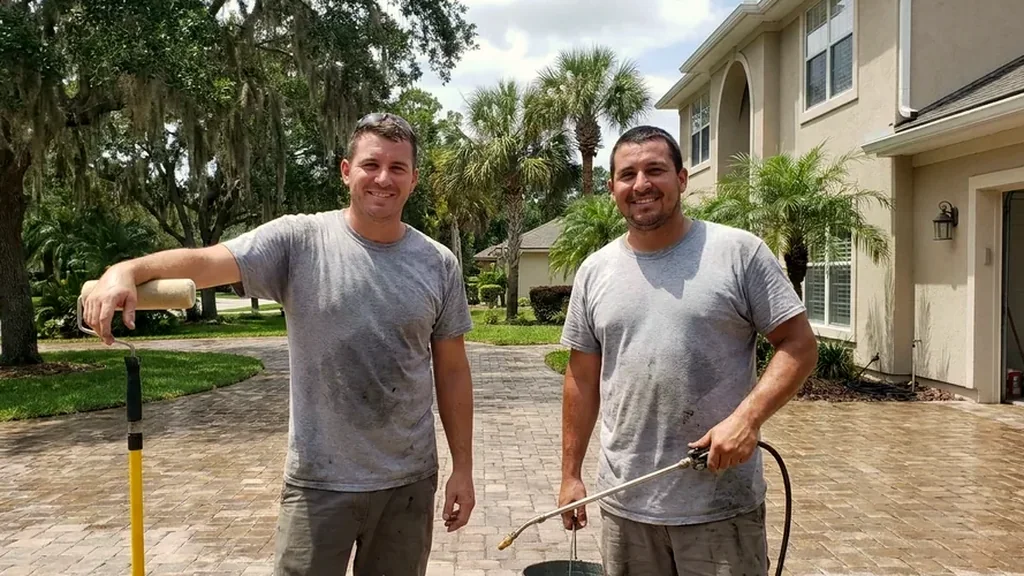
How does a paver sealing job work in Disston Heights?
Read the slab
The visit begins with a slow walk over the driveway and patio. Low spots, wobbling edges and open joints get marked, and the sheen shows whether an earlier coat is still down. Anything sunken is reset before sealing, because a new coat would keep the dip. If a neighbor used the same installer, ask what was used. The visit ends with a plain statement of what is needed and what is optional.
Lift the stains
Next the pavers are washed to lift leaf tannin, green film and gray grime. Rust and oil marks are treated one at a time, and white haze gets its own step. Sprinkler lines, pots and shrubs are protected from rinse water. Pots and yard art should be moved before the visit. Leaf stains can need a second pass on shaded walks.
Put the sand back
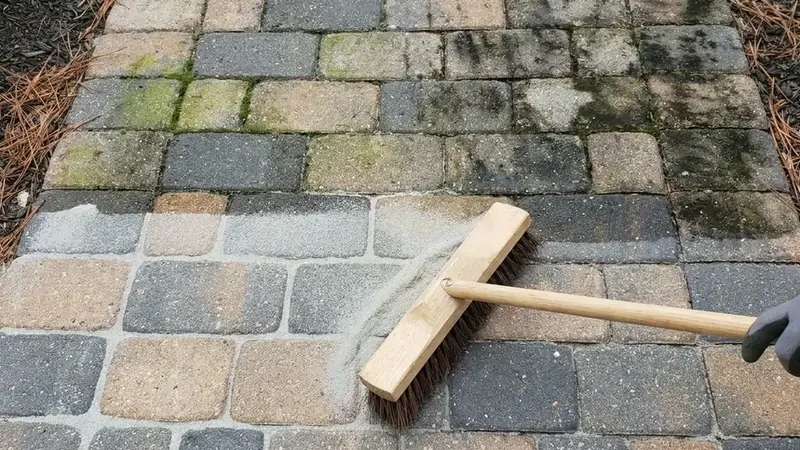
The wash carries sand away, so the joints are refilled and brushed level. That sand holds the pavers together, keeps ants out and gives weeds little room. One Pinellas company notes that the sealer stabilizes the new sand as well. Sand left on the surface is swept up and not hosed into the lawn. Fresh sand levels small dips along the edges.
Wait for a true dry
Sealer needs dry pavers, and shaded side yards dry slowly. Wet-season storms can add a day or two to the 24 to 48 hour dry window that one St. Petersburg company quotes. Sealing damp pavers traps moisture, so a patient contractor waits and keeps your sprinkler times in mind. Do not water the lawn near the pavers during the wait. Rain on fresh sealer is a reason to reschedule, not to rush.
Coat, cure, keep off
Two thin coats are normal at one Pinellas company, applied in the finish you chose. Feet can go back on after a few hours to a day, and cars after about two days. Request the product name so you have it on file. Keep pets off the surface until the contractor says it is ready. A reminder card with the product name and date is handy next time.
Complete paver services in Disston Heights
A Disston Heights job has a rhythm: inspect, wash, refill, dry, coat. Inspection comes first because a 1950s house may carry repairs from several owners. After that each stage is routine. For a rough schedule on your property, request a free estimate.
Front stoops and driveways take tires, sun and leaves, while back patios take rain and pool decks add chlorine. Brick and travertine differ from concrete pavers. List what you have when you call (727) 591-3365, and the contractor will plan each surface separately.
Matte or wet look is the main style choice. Matte hides wear on a busy drive, and wet look deepens color and shows scuffs sooner. Chemistry matters too, since solvent coats block water-based sealer. To talk finishes, request a free estimate.
Tree shade and afternoon storms shape the calendar. The wet season, late May through October, gives short dry windows, and the cooler months from November to April run steadier. A contractor can offer a window and a rain plan, so call (727) 591-3365.
Questions to ask before you hire
- I have travertine around the pool. Does it need a different product from my driveway pavers?
- What do you do to protect my lanai furniture, my shrubs and the lawn edge?
- My pool uses salt. Will the sealer or the rinse water bother it or the screen cage?
- Does the sealed finish stay grippy for wet bare feet by the pool?
- My community has an HOA. Do you handle their approval paperwork?
- What is the earliest day that my garage door and my cars can be used again?
- Would a wet-look or a natural-look finish suit my pavers better, and what changes between them?
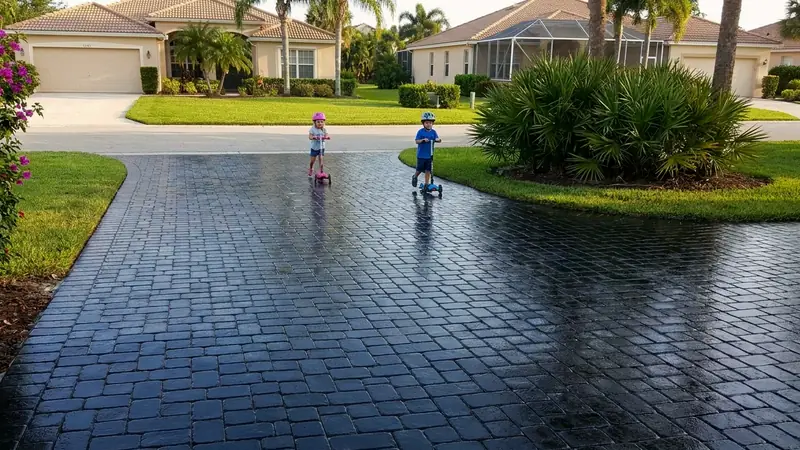
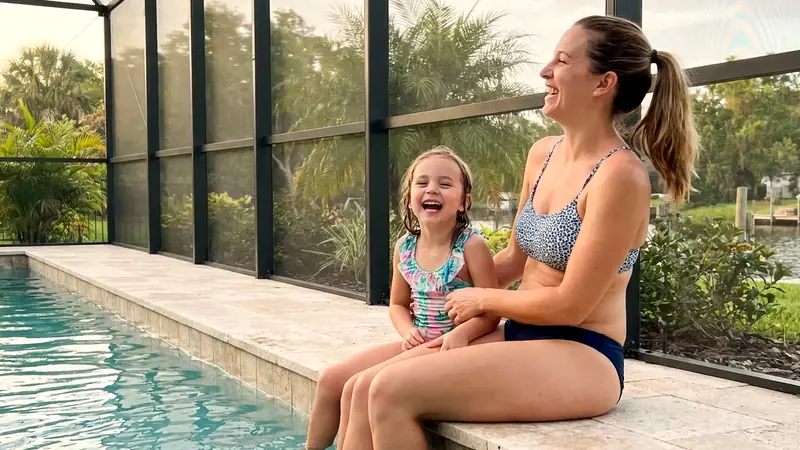
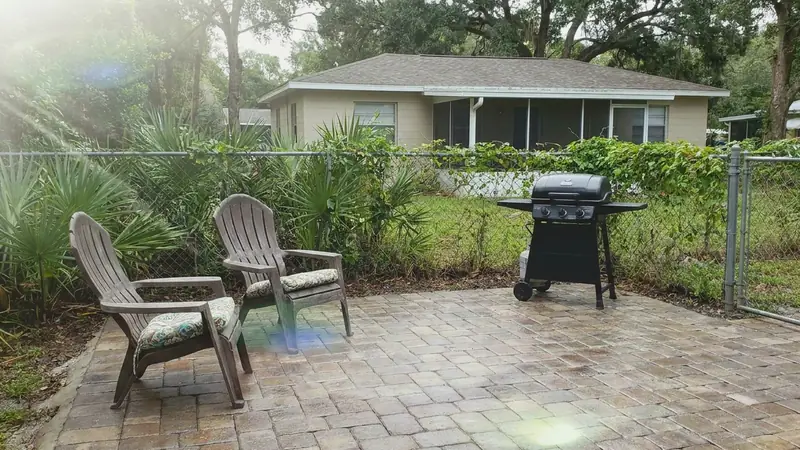
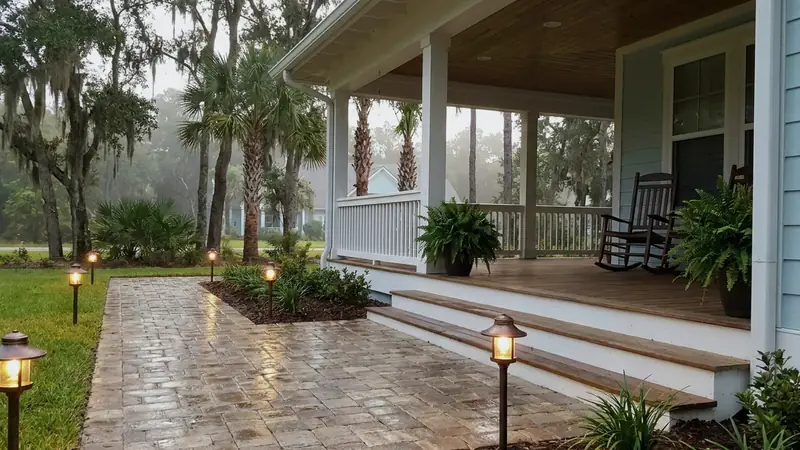
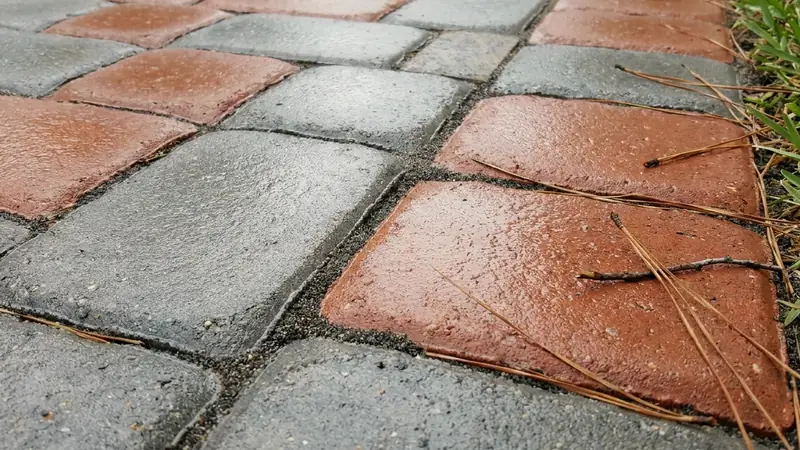
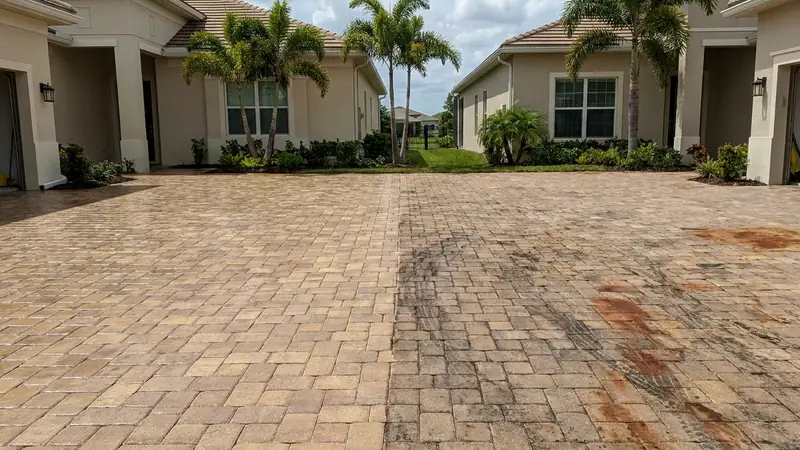
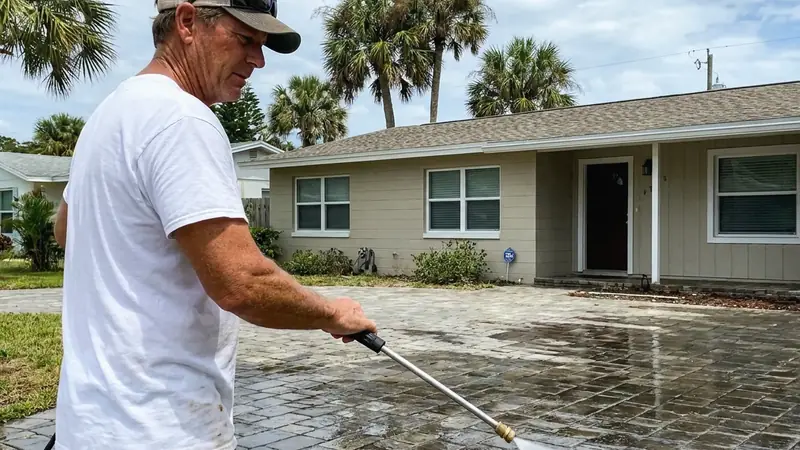
What do sealed pavers look like around Disston Heights?
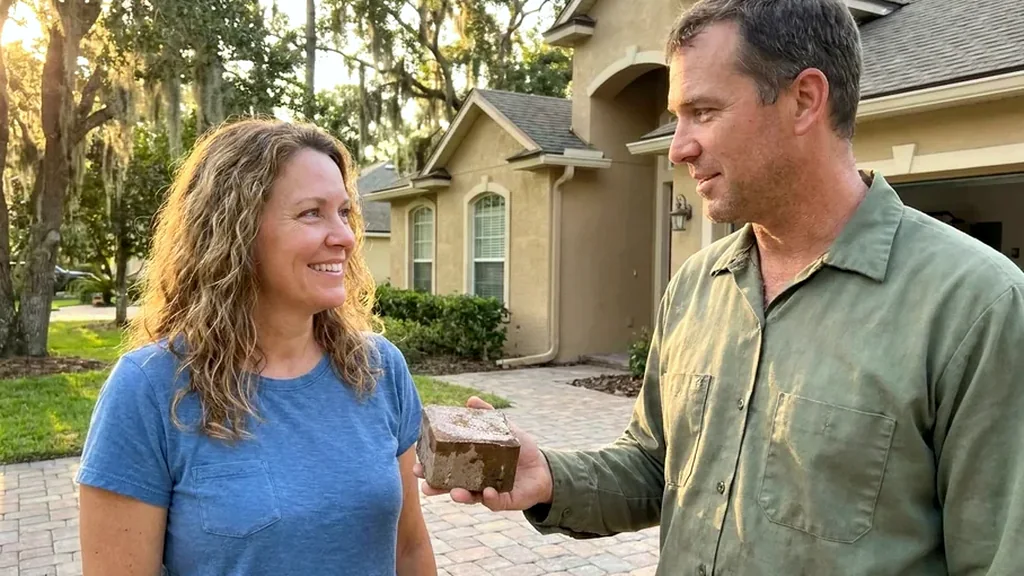
Why local matters in Disston Heights
A contractor who works Disston Heights expects 1950s houses and driveways laid in stages by different owners. The first question is what went down before, not the price. A newcomer may quote blind. For a local view, call (727) 591-3365, and ask about the walk-through.
Rain habits matter too. Summer afternoons bring storms most days, and a dry morning can end in a soaked patio by three. A good plan keeps a spare day. To hear how a rainout is handled, request a free estimate.
Age brings settling. Houses from 1940 to 1969 have had decades of ground movement, and pavers shift with it. A local contractor checks low spots out of habit. If your drive dips near the garage, request a free estimate and point it out, with no pressure to hire.
Who was Disston Heights named for?
It carries the name of Hamilton Disston, a Pennsylvania industrialist who bought 4 million acres of Florida land in 1881. He founded Disston City, which is now Gulfport, a few miles south. His investments helped create towns across the state and helped St. Petersburg grow. If you live in the neighborhood that kept his name, request a free estimate.
Today the neighborhood is known for quiet streets of mid-century homes, with Disston Plaza and the Tyrone Square corridor close by. Gulfport, once Disston City, is the other place that shares the name. These are good landmarks to give a contractor when you describe where you live. Call (727) 591-3365 and name your cross streets.
Frequently Asked Questions
How much does it cost to seal pavers per square foot in Disston Heights?
A fair yardstick is $1.25 to $2.50 per square foot to clean, sand and seal, the range Tampa Bay companies publish. The state of the old coat, the joints and the shade decide where a Disston Heights job lands. Ask that the total area be written into the quote.
What are the downsides of sealing pavers in Disston Heights?
Upkeep and timing are the main ones. The coat wears and needs renewing, wet look shows scuffs sooner than matte, and sealing needs a dry surface. A water-based product also cannot go over a solvent-based coat, so the old one has to be identified.
Is it better to spray or roll paver sealer in Disston Heights?
Both methods turn up. One Tampa Bay company sprays across the surface and checks coverage, and a company in St. Petersburg says thin coats keep the finish from blotching. Ask which method is planned for your pavers and how many coats you will get.
How often should I seal pavers in Disston Heights?
Coats usually run two to five years, going by company quotes. Full-sun driveways often need attention near the 3-year mark, and covered patios can go longer. Once water stops beading, the coat is wearing thin.
Can older pavers on a 1950s Disston Heights home be sealed?
Yes, if they are sound. Sunken sections are repaired first, since sealer only bonds well to a clean, dry, properly sanded surface. The contractor also checks for an earlier coat, because the old product decides what can follow.
Does the old sealer on my Disston Heights pavers have to come off?
Not always. A Pinellas company says new sealer can sometimes go over old sealer, depending on how worn it is, unless the old coat is white and cloudy, which may need stripping. The contractor reads the surface at the visit and tells you.
Will sealing keep weeds out of my paver joints?
It helps. Fresh joint sand reduces weed growth and ant activity, according to a Tampa Bay company, and a company in St. Petersburg says hardened sand closes the gaps weeds use. Open joints should be refilled before sealing.
Do I need to turn off sprinklers when pavers are being sealed?
Yes, plan to keep them off. Sealer only bonds well to a clean, dry surface, and sprinkler spray on a fresh coat can ruin it. Ask the contractor how long to leave them off, and keep an eye on the weather too.
Is sealing pavers worth it in Disston Heights?
A Tampa Bay company says routine upkeep costs less than later repair, and lists fading, sand loss, weeds, ants and stains as the cost of skipping it. If your pavers are still sound, sealing protects them. Ask for a free estimate to see the number.
How long do I stay off pavers after sealing?
One Pinellas company says walking is fine after about 4 hours and driving after about 48. A different company asks for a whole day on foot. Ask what applies to the sealer on your Disston Heights driveway, and keep sprinklers off while it cures.
Can I seal only the front walk and leave the driveway for later in Disston Heights?
Yes, though a Tampa Bay company says small projects often fall under a contractor's minimum charge, so one visit for both areas usually gives better value. List each area separately in the quote so you can choose.
Ready for a Free Estimate in Disston Heights?
Call (727) 591-3365 and tell us about your pavers.
Free, no obligation