
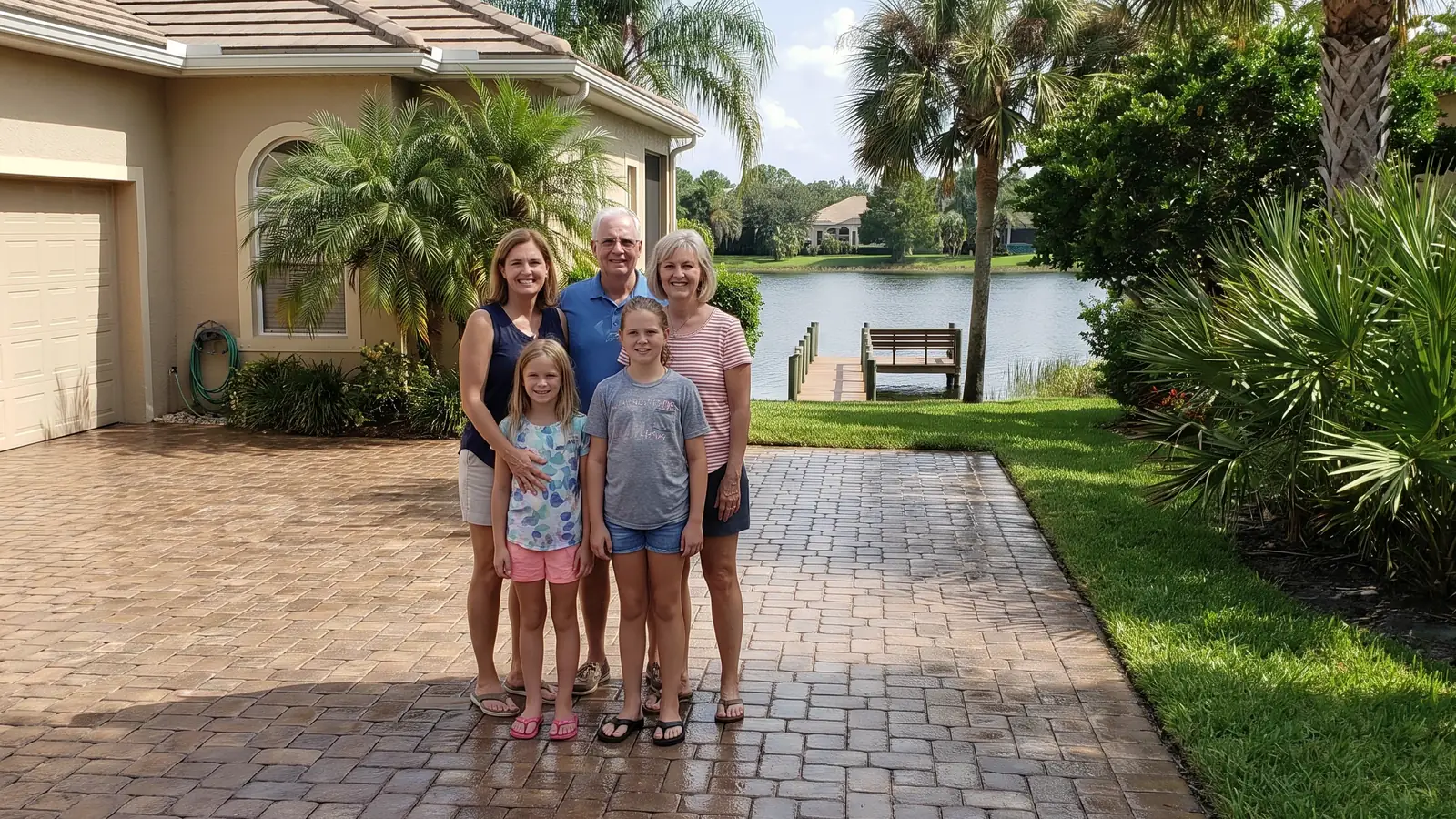
Paver sealing for Gibsonton homes
Paver Sealing in Gibsonton, FL
Gibsonton sits where the Alafia River meets Hillsborough Bay, so call (727) 591-3365 for a free paver sealing look.
- Brings out deeper paver color
- Fresh joint sand helps lock pavers in place
- Gives weeds less room to grow
- Makes the surface easier to keep clean
- Free estimate, no obligation
Request a Free Estimate
Free, no obligation.
Fast, careful paver sealing in Gibsonton
Paver sealing in Gibsonton starts with a free estimate from a local contractor who covers driveways, walkways, lanais and pool decks on both sides of US 41. Reach out with request a free estimate and a reply lands within 1 business day, often the same day.
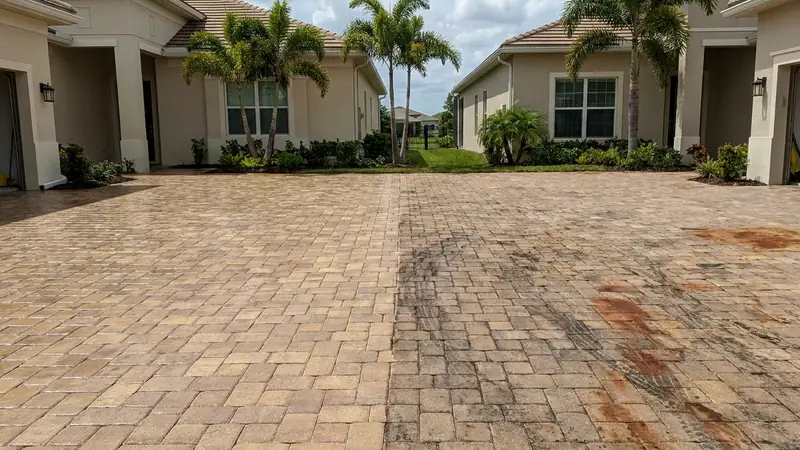
Maybe your driveway has orange freckles from the sprinklers, or the joints have gone low and weedy. A wash, new sand and a coat of sealer bring those pavers back to one even color. If you would rather talk first, call (727) 591-3365 and say what the pavers look like.
Why hire a local paver sealing contractor in Gibsonton?
Gibsonton sits where the Alafia River meets Hillsborough Bay, with older streets, newer streets and a lot of well water in between. To hear how that shapes a paver job on your lot, request a free estimate.
Eyes on the marks
The contractor checks mineral spots, green film and low joints at no charge, then prices the fixes that come before sealing.
A published range
Bay-area companies post $1.25 to $2.50 per square foot for clean, sand and seal. Gibsonton bids can be held to that.
Room for what parks there
Tell the contractor about trailers, boats and RVs on the drive so the plan covers weight and timing.
Easy to decline
You choose the day and finish. A reply comes within 1 business day, often the same day, and no obligation follows.
Get Your Free Estimate in Gibsonton
Tell us about your pavers in Gibsonton.
Free, no obligation
What paver problems show up most in Gibsonton?
Mineral spots from well sprinklers
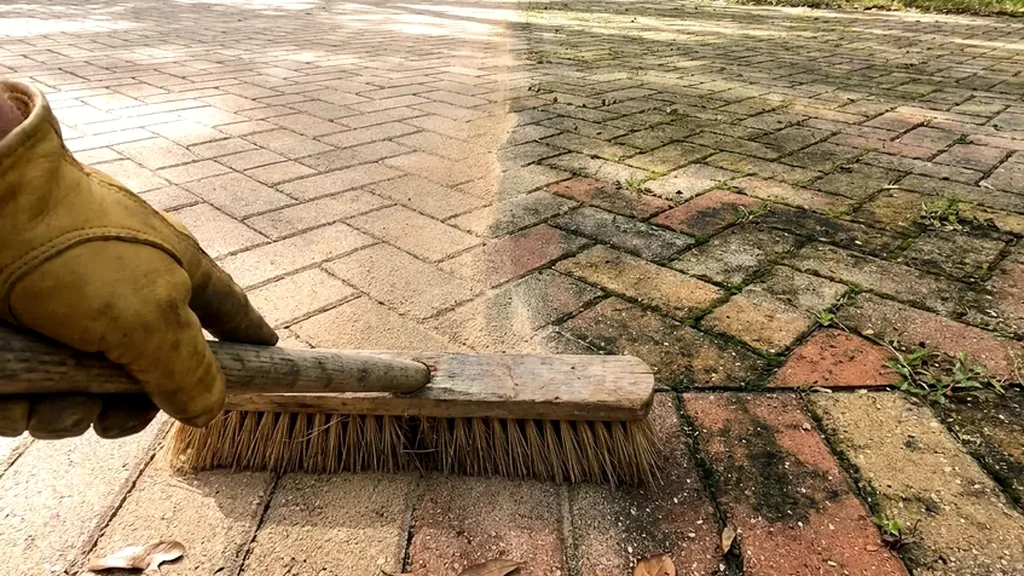
A Tampa Bay company says hard-water irrigation systems, common in parts of Hillsborough County, leave mineral deposits that build up faster on unsealed surfaces. If your sprinklers reach the driveway, the marks show up as crusty or orange spots along the spray line. Sealed over, they would stay for good, so they are treated first. Turning heads away from pavers keeps new marks off. Asking about the well at the first visit saves time later. Irrigation stains build slowly, a few spots at a time, so by the time they show there is often a layer of buildup in the surface. Sprinkler timers set years ago may still run long. Cutting the run time and aiming heads at the lawn lowers the new marks.
Bay air and river damp
Gibsonton has Hillsborough Bay on its west side, and the Alafia River empties into the bay inside the community. A Tampa Bay company says homes near the bay face added salt air and moisture. Pavers on bayside streets hold dampness longer. Green film and a dull surface are the usual signs, and they show first on the shaded side. Cleaning and sealing together slow the return of that film, which a plain rinse never does. That dullness is usually a mix of salt, silt and algae. A Tampa Bay company says humid air helps mold and algae thrive, and that shaded pool decks and patios are the most exposed. Pavers near planters and shaded corners collect the most. A wash clears it, and sealing makes the next wash easier.
Older yards with pavers added over the years
Houses went up on Alice Avenue in the 1920s, and the old towns of Gardenville, Garden City and Adamsville were folded in later. Pavers in older yards were often added in stages by different owners. That leaves mixed repairs and unknown sealer. Water-based sealer cannot go over solvent-based, so the contractor reads the surface first. A short history of the yard, even a guess, is a real help at the first visit. Sections were added along the river south to today's Gibsonton Drive, so a single street can hold houses of widely different ages. Gardenville, Garden City, Remlap and Adamsville were all folded in over time, so street names may not match the town names on a map. Giving a cross street helps.
Joint sand and wet-season storms
Florida's state soil, Myakka fine sand, is sand all the way down, and rain moves through it fast. Gibsonton also gets near-daily afternoon storms from May through October. A Tampa Bay company says that speeds joint sand loss. Open joints let weeds and ants in, so the sand goes back before sealing. Fresh sand also holds the edge pavers in place, which keeps the sealed surface level. In soils like Florida's state soil, the water table can sit within 10 inches of the surface for months, which slows the way wet ground dries out. When the joints are full and the surface is sealed, rain sheds off instead of soaking in, which keeps the sand where it belongs.
Trailers, boats and heavy loads
In ZIP 33534, about a quarter of housing units are in the mobile home, boat or RV group. If a trailer, boat or RV rests on your driveway pavers, the weight presses on the edges. Sunken sections are repaired before sealing, since sealer would only keep the dip. Mention what parks on your drive at the estimate. Moving the trailer for the work day is a small step that makes the job easier. The 2020 Census counted 6,136 households, and 42.8 percent had children, so driveways here see a lot of daily use. Heavy loads, like a boat trailer parked for months, press the same four spots. Moving the load between jobs spreads the wear.
Do the older parts of Gibsonton need different paver care than newer streets?
Sometimes, yes. Gibsonton-by-the-Bay was platted in 1923, and Gardenville, Garden City, Remlap and Adamsville joined it over time. Older streets can hold pavers laid by several owners, with several coats of sealer, while newer streets near Interstate 75 may have one coat or none. Mention your part of town when you request a free estimate, and the contractor will plan from there.
Housing here is mixed. In ZIP 33534, about 73 percent of units are single-family, about 3 percent are multi-family, and about 25 percent are other types such as mobile homes. Pavers show up mostly at single-family homes, with patios and carports at others. Call (727) 591-3365 and say what kind of home you have, so the visit fits it.
Gibsonton is large, covering 15.4 square miles, with the bay on one side and the interstate on the other. A bayside street and an I-75 neighborhood are not next door to each other, so give the contractor a cross street. East Tampa sits north of the river and Adamsville south of it, and both are part of the area. When you request a free estimate, name the nearest main road, and the estimate is free.
What does paver sealing cost in Gibsonton?
Bay-area companies post $1.25 to $2.50 per square foot for the full job, and Gibsonton quotes sit inside that spread. Mineral marks from well water, green film near the bay and low joint sand move a bid. A long drive plus a patio adds area. To get a number for your yard, request a free estimate.
Repairs and access count too. Sunken sections get reset first, and a trailer-covered drive must be cleared. An open slab in good shape is the easy end, while dips and mineral marks sit near the other. Call (727) 591-3365 to hear which end yours resembles, since the visit is free.
| Paved area | Typical example | Clean, sand and seal |
|---|---|---|
| 300 sq ft | Small patio or walkway | $375 to $750 |
| 600 sq ft | Two car driveway | $750 to $1,500 |
| 1,000 sq ft | Large driveway or pool deck | $1,250 to $2,500 |
| 1,500 sq ft | Driveway plus pool deck | $1,875 to $3,750 |
Math based on the $1.25 to $2.50 per square foot that Tampa Bay paver companies publish. Your contractor sets the actual price after seeing the surface. Repairs, leveling and stripping failed sealer are usually extra.
How does a paver sealing job work in Gibsonton?
Map the marks
First the contractor traces the sprinkler line and notes mineral spots, green film and sunken edges. Anything that sank under a parked trailer is flagged. An old coat is identified, since water-based sealer will not go over solvent-based. Ask the contractor to note which spray heads cause the marks. The contractor may photograph the marks so you can see them before work begins.
Treat, then wash
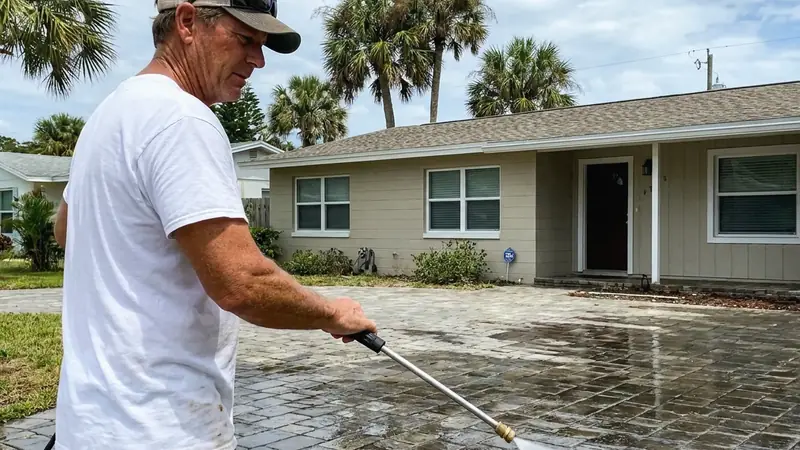
Mineral deposits, rust and oil get targeted treatments before a general wash lifts algae and bay-air grime. White haze is dealt with before any coat. Rinse water is kept off the lawn edge and plants where it can be. Treatments are given time to work before they are rinsed away. Treated spots are checked before the general wash, so nothing is missed.
Refill the gaps
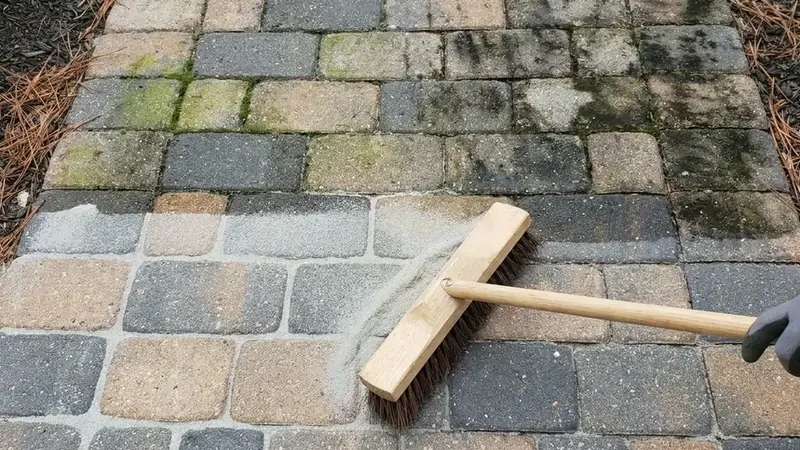
New sand is swept into the joints, with weeds pulled first. In sandy ground and wet-season storms, full joints keep the edge pavers from loosening under the coat. Edge pavers near the lawn are checked for movement. Sand is added until the joints are full.
Give the bay air time
Bayside lots can stay damp. A company in St. Petersburg wants 24 to 48 dry hours before sealing, and afternoon storms can reset the clock. The contractor moves the date rather than coat damp pavers. Ask for the dry-time target in writing. A damp bayside patio may be left for the last day of the window.
Coat and keep off
Thin coats follow, in your finish. A Brandon company wants about 24 hours before feet and 48 before cars. Trailers and sprinklers wait until the contractor says go. Keep boats and trailers off the pavers until cleared. The contractor should tell you when sprinklers can go back on.
Complete paver services in Gibsonton
A Gibsonton job runs in order: treat the marks, wash, refill the joints, dry, then coat. Each step prepares the next, and the order does not change. For a rough timeline on your property, call (727) 591-3365.
Driveways take cars and sun, pool decks and lanais take chlorine and rain, and walks near the bay take damp air. Concrete pavers, brick and travertine may need different products, so list yours when you request a free estimate.
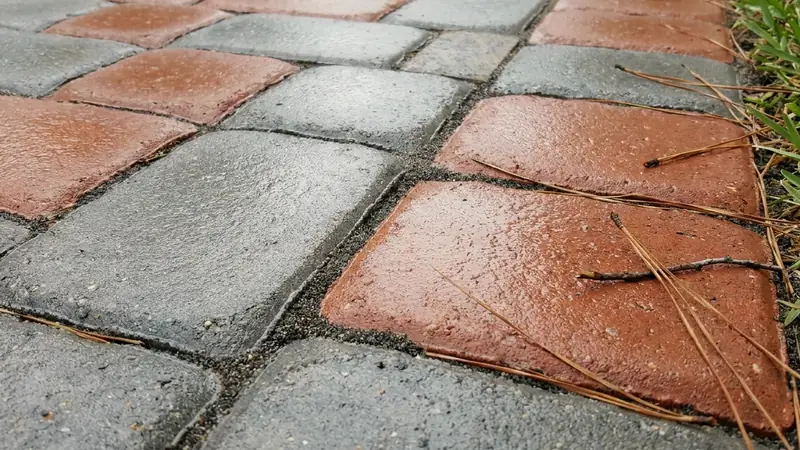
Clear coat keeps the natural color, and wet look deepens it, according to a Brandon company. Wet look shows scuffs sooner, and a water-based product cannot follow solvent-based. Call (727) 591-3365 to compare finishes.
The wet season, May through October, brings storms most afternoons, and the dry season runs November to April. Bayside lots dry slowly after rain. To choose a window for your lot, request a free estimate.
Questions to ask before you hire
- Will the estimate you hand me list the sealer brand and how many coats go down?
- Will the insurance certificate you send have my name and address on it?
- Some of my pavers have a chalky film. Does that get dealt with before sealing?
- Does the sealed finish stay grippy for wet bare feet by the pool?
- What is the earliest day that my garage door and my cars can be used again?
- Do you walk the property with a tape or a wheel before you give me a price?
- My community has an HOA. Do you handle their approval paperwork?
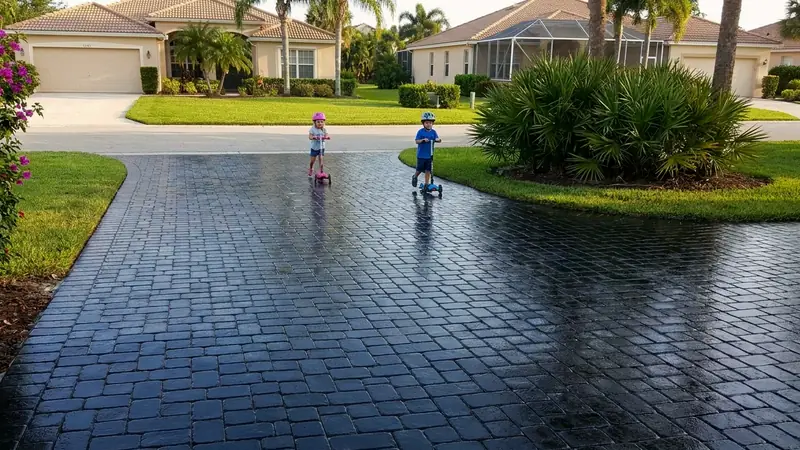
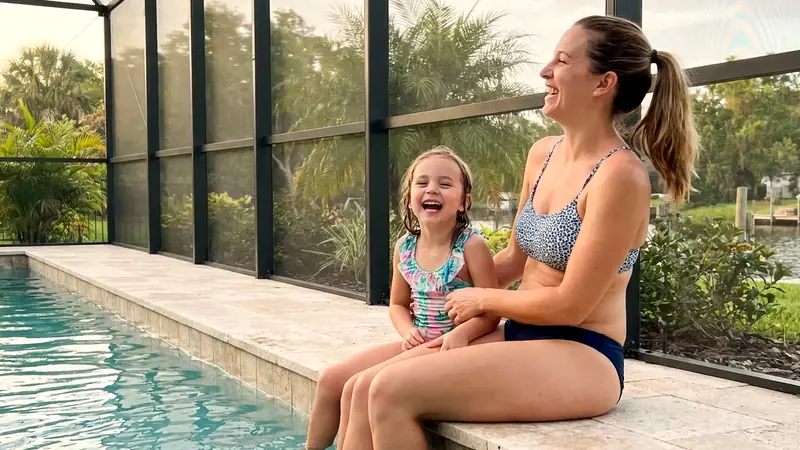
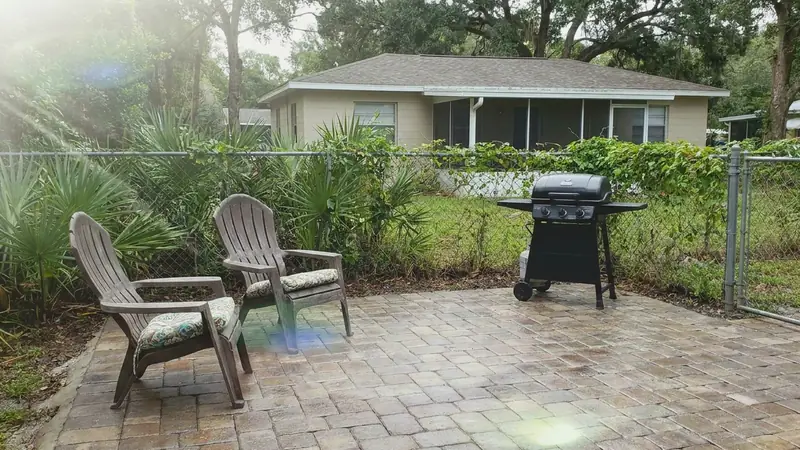
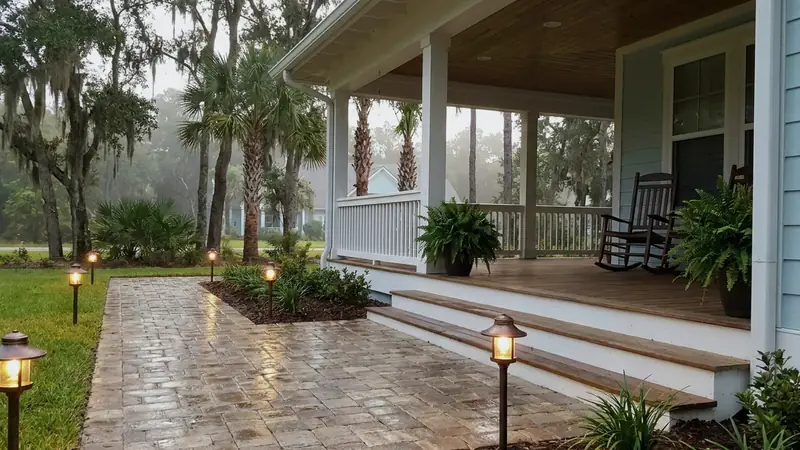
What do sealed pavers look like around Gibsonton?
Why local matters in Gibsonton
A contractor who works Gibsonton asks about your well, your sprinklers and which side of US 41 you live on. Those answers shape the wash and the sealer. A crew from another county may skip them. For a contractor who works the Hillsborough side of the bay, call (727) 591-3365.
Timing is local. Afternoon storms keep to a pattern in summer, and a lot near the bay may stay damp after rain stops. A good contractor builds in room and tells you what a delay means. Use request a free estimate to ask what happens when rain wipes out a work day.
The housing mix adds a layer. Gibsonton has older neighborhoods, newer ones and many mobile and manufactured homes. A local contractor asks what the surface is and who owns it. If you share pavers or rent, request a free estimate and say so, with no obligation to hire anyone.
Where did Gibsonton start, and what is left of the old towns?
It started in 1884, when the elder James Gibson homesteaded 150 acres at the mouth of the Alafia River. His son platted Gibsonton-by-the-Bay in 1923 and began selling lots. Gardenville, Garden City, Remlap and Adamsville were folded in later. If you live on an older street near the river, request a free estimate.
A photograph from 1926 shows the Gardenville School, and the International Independent Showmen's Association opened its clubhouse in 1966. The museum there has an early Ferris wheel assembled among the exhibits. These are good landmarks to give a contractor when you say where you live. Near any of these places, call (727) 591-3365 and give your street for a free estimate.
Frequently Asked Questions
What is the average cost to seal pavers in Gibsonton?
Budget $1.25 to $2.50 per square foot to clean, sand and seal, the Tampa Bay range. A Gibsonton job lands inside that spread based on mineral marks, green film and joint sand. Get the total area in writing so the bids can be compared side by side.
How often should I seal pavers in Gibsonton?
Expect two to five years from one coat to the next, per company quotes. Full-sun driveways and bayside patios may lean toward the short end. Water that soaks in instead of beading signals the coat is spent.
What kind of sealer is used on pavers in Gibsonton?
Contractors use water-based or solvent-based sealers in clear coat or wet-look finishes. The old coat is identified first, since water-based sealer cannot be applied over solvent-based. Get the product name in writing and hold on to it for the next coat.
Can well water stain my Gibsonton pavers?
It can. A Tampa Bay company says well-fed irrigation, common in parts of Hillsborough County, leaves mineral deposits that build faster on bare pavers. Those marks are treated before sealing, and sprinkler heads can be aimed away.
How long should pavers dry before sealing in Gibsonton?
A company in St. Petersburg asks for a dry spell of 24 to 48 hours, and bayside lots may need more. Sealing over damp pavers traps moisture and the coat fails, so a contractor will move the date instead.
How long before I can drive or park on sealed pavers?
A Brandon company wants about 24 hours before feet and 48 before cars. Ask what applies to your sealer, and keep trailers, boats and sprinklers off the surface until the contractor says it is ready.
Will sealing fix sunken pavers where my trailer sits?
No. Sunken sections are repaired before sealing, since sealer would only keep the dip, and sealer only bonds well to a clean, dry, properly sanded surface. Point out those spots at the estimate so the repair is priced in.
Is a wet look or a clear coat better for a Gibsonton driveway?
It depends on the look you want. Clear coat keeps the natural color, and a wet look deepens it, according to a Brandon company. A wet look shows scuffs sooner on a busy drive. Ask to compare both before you decide.
Can I get paver sealing at a manufactured or mobile home in Gibsonton?
If your home has pavers, a walk, a patio or a carport slab, the same wash, sand and seal steps apply. About a quarter of housing units in ZIP 33534 are in the mobile home, boat or RV group. Tell the contractor what you have at the estimate.
Does being close to the bay shorten sealer life in Gibsonton?
It can. According to a Tampa Bay company, bayside homes see extra salt air and moisture. Ask which product suits your street, and look at the surface each year for fading or lost beading.
What should I tell the contractor when I ask for a Gibsonton estimate?
Describe the surfaces, any orange marks, how the drive is used and which part of town you live in, such as the bay side, US 41 or near Interstate 75. Photos help. A reply arrives within 1 business day, often the same day.
Can pavers be sealed in any month in Gibsonton?
Work can happen in any month, but the dry season from November to April gives steadier days. The wet season runs May through October with afternoon storms. A look at the pavers and the forecast decides whether the day holds.
Ready for a Free Estimate in Gibsonton?
Call (727) 591-3365 and tell us about your pavers.
Free, no obligation